Articles in This Topic
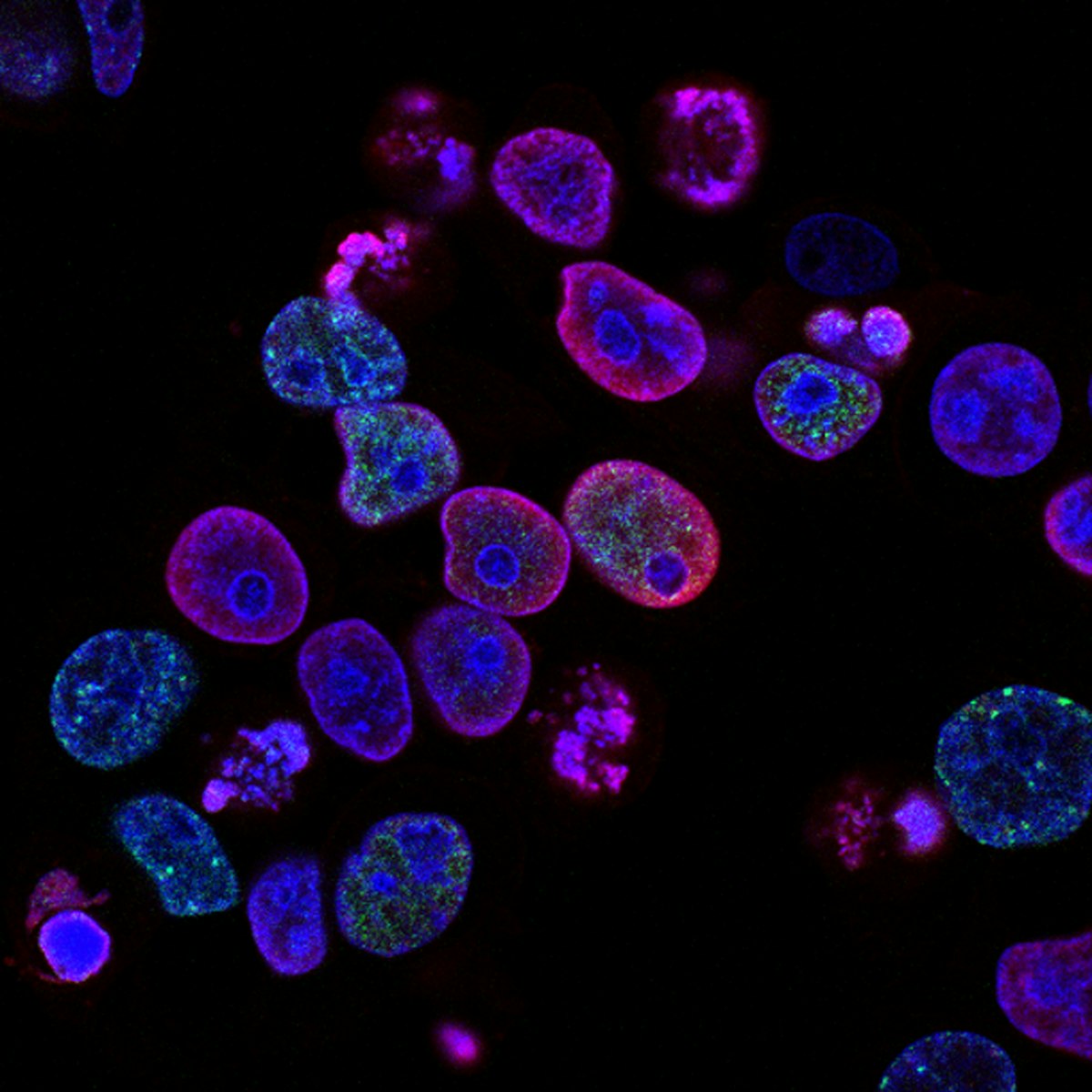
The 12 Hallmarks of Aging Explained Simply
A clear explanation of the 12 hallmarks of aging - the biological processes that drive aging, from telomere shortening to cellular senescence.
12 min read
Telomere Shortening and Aging: Complete Guide
Telomere shortening and aging are closely linked in longevity research. Here is what telomeres do, what studies suggest, and what remains uncertain.
11 min readTable of Contents
DISCLAIMER
This article is for informational purposes only and does not constitute medical advice. The statements in this article have not been evaluated by the FDA. The information presented is based on published research and should not be used as a substitute for professional medical guidance. Consult your physician before starting any supplement or health protocol.
Understanding Why We Age
Aging is one of biology’s most fundamental and complex processes. While we all experience its effects, the underlying mechanisms have only recently begun to be understood at the molecular level. This understanding is crucial for developing interventions that may slow, halt, or even reverse aspects of the aging process.
The Hallmarks of Aging
In 2013, researchers published a landmark framework identifying nine key biological processes that drive aging. This was expanded to twelve hallmarks in 2023, creating a comprehensive map of aging biology.
Genomic Instability
DNA damage accumulates throughout life from both internal (metabolic byproducts, replication errors) and external (UV radiation, toxins) sources. While cells have repair mechanisms, these become less efficient with age.
Telomere Attrition
Telomeres — protective caps at the ends of chromosomes — shorten with each cell division. When critically short, cells enter senescence or die, contributing to tissue aging.
Epigenetic Alterations
The epigenome — chemical modifications that control gene expression — changes with age, often activating genes that should be silent and silencing those needed for normal function. This “epigenetic drift” is one of the most measurable aspects of aging.
Cellular Senescence
Senescent cells stop dividing but resist death, accumulating in tissues and secreting inflammatory molecules (SASP) that damage surrounding cells. Clearing these “zombie cells” with senolytics is an active area of anti-aging research.
Mitochondrial Dysfunction
Mitochondria — the cellular power plants — become less efficient with age, producing less energy and more reactive oxygen species that damage cellular components.
The Interconnected Nature of Aging
These hallmarks do not operate in isolation. They form an interconnected network where dysfunction in one area amplifies problems in others, creating a cascade of aging that accelerates over time.