Table of Contents
DISCLAIMER
This article is for informational purposes only and does not constitute medical advice. The statements in this article have not been evaluated by the FDA. The information presented is based on published research and should not be used as a substitute for professional medical guidance. Consult your physician before starting any supplement or health protocol.
The Connection Between Nutrition and Aging
What we eat has a profound impact on how we age. Research across multiple disciplines — from molecular biology to population epidemiology — consistently shows that dietary patterns significantly influence biological aging, disease risk, and lifespan.
Caloric Restriction
Caloric restriction (CR) — reducing calorie intake by 10-30% without malnutrition — is one of the most robust interventions for extending lifespan in animal models. The CALERIE trial demonstrated that even modest CR in humans improves multiple biomarkers of aging.
Intermittent Fasting
Various forms of intermittent fasting (time-restricted eating, 5:2 protocols, periodic fasting) have shown promise for activating autophagy and improving metabolic health. Research suggests these benefits may occur even without significant caloric reduction.
Blue Zones Diet Patterns
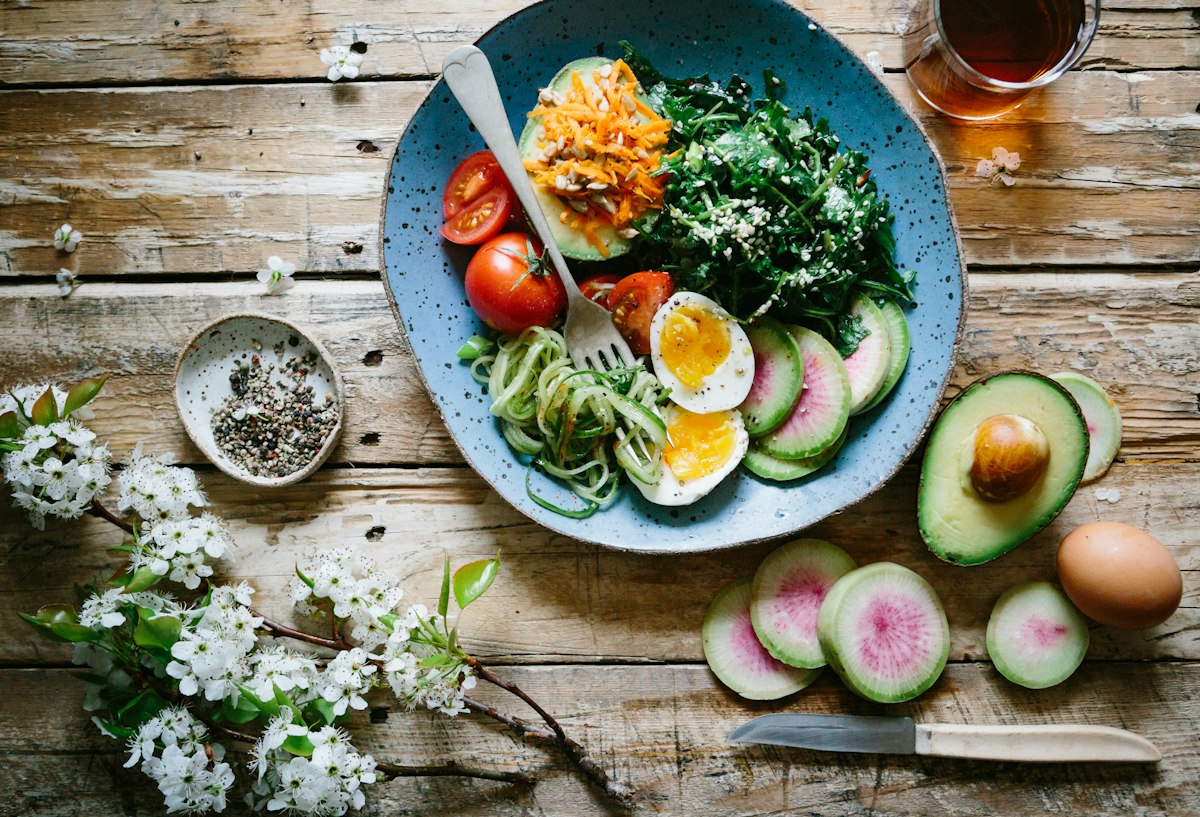
The world’s longest-lived populations share common dietary patterns: plant-heavy diets with minimal processed food, moderate calorie intake, legume-rich meals, and limited meat consumption. These patterns offer practical guidance for eating for longevity.
Key Anti-Aging Nutrients
Research highlights several nutrients and food compounds with potential anti-aging properties, including polyphenols, omega-3 fatty acids, sulforaphane, and various antioxidants found in colorful fruits and vegetables.